
"Awareness" for "Safety"; Workshop on Venomous Animals Held at Lorestan University
 Oct 05, 2025
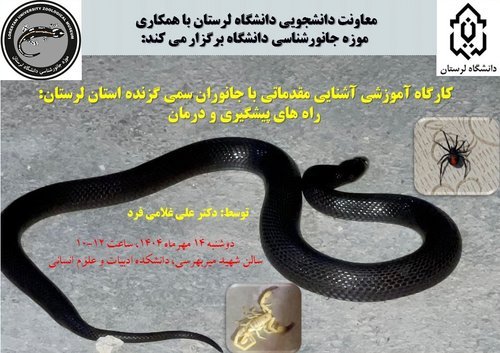
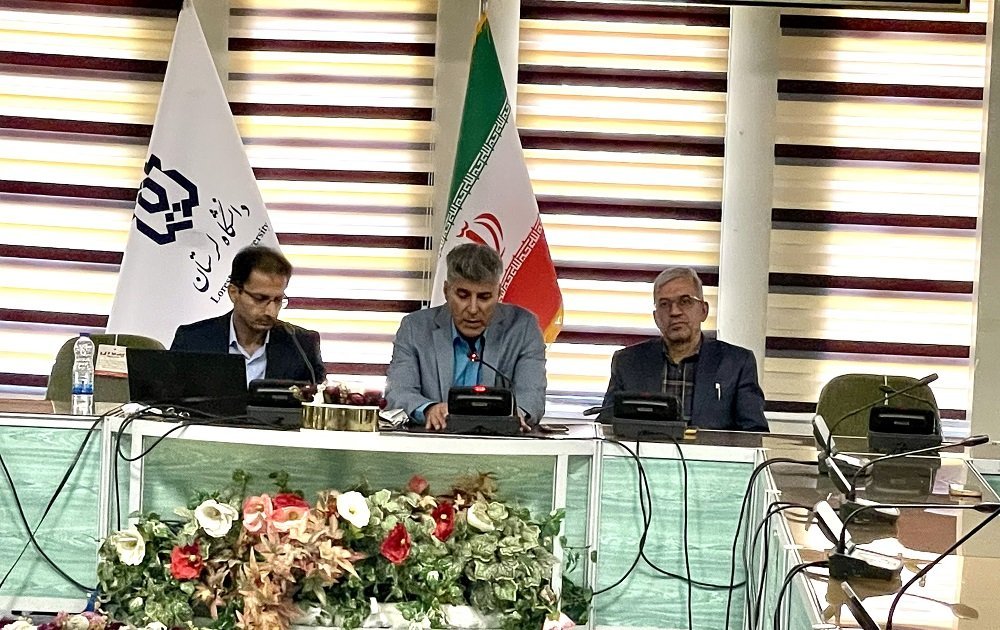
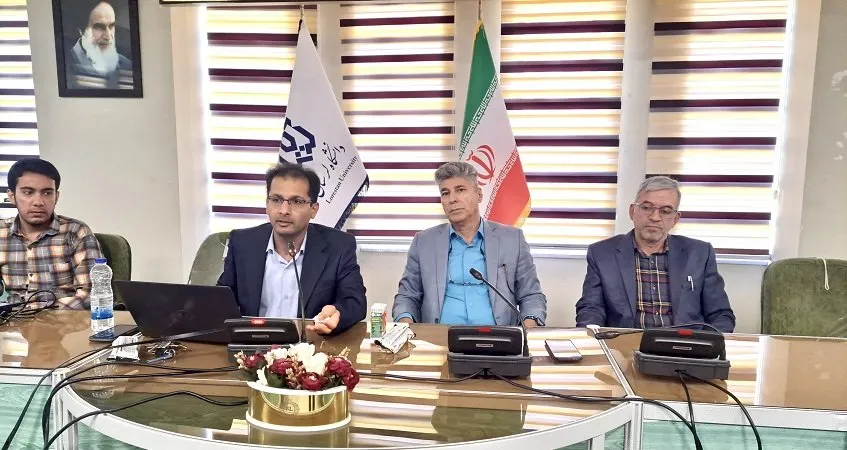
The training workshop "Preliminary Introduction to Venomous and Stinging Animals of Lorestan Province; Prevention and Treatment Methods" was held, taught by Dr. Gholamifard, faculty member of the Biology Department and director of the Lorestan University Zoological Museum.
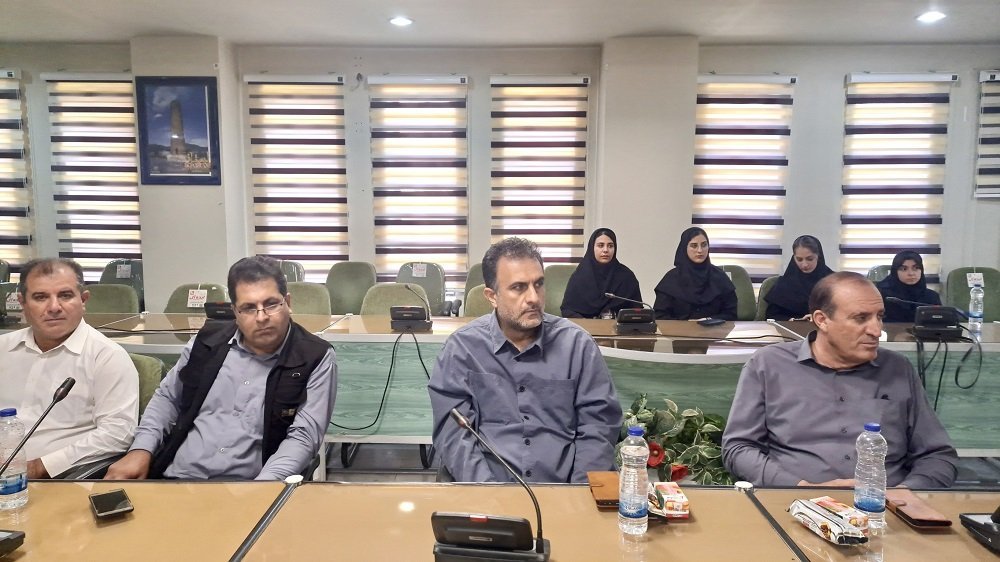
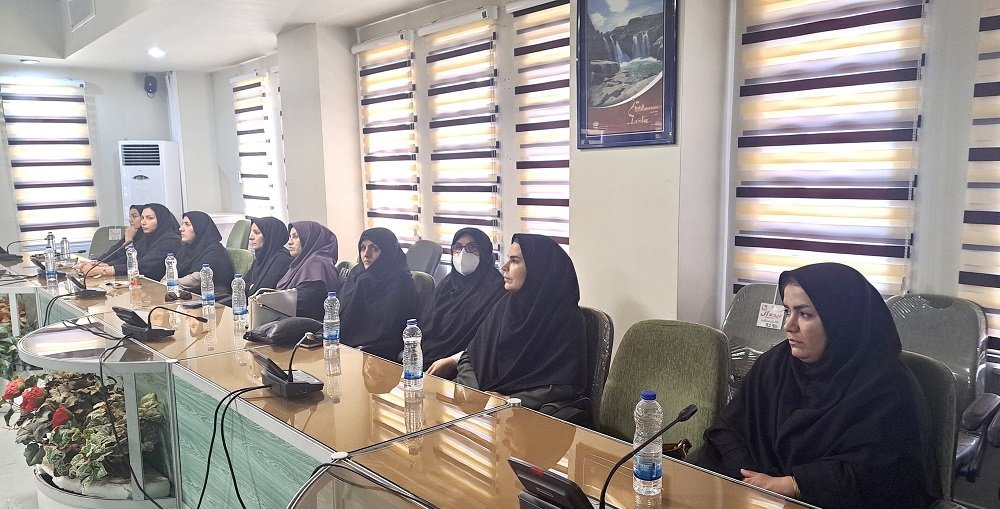
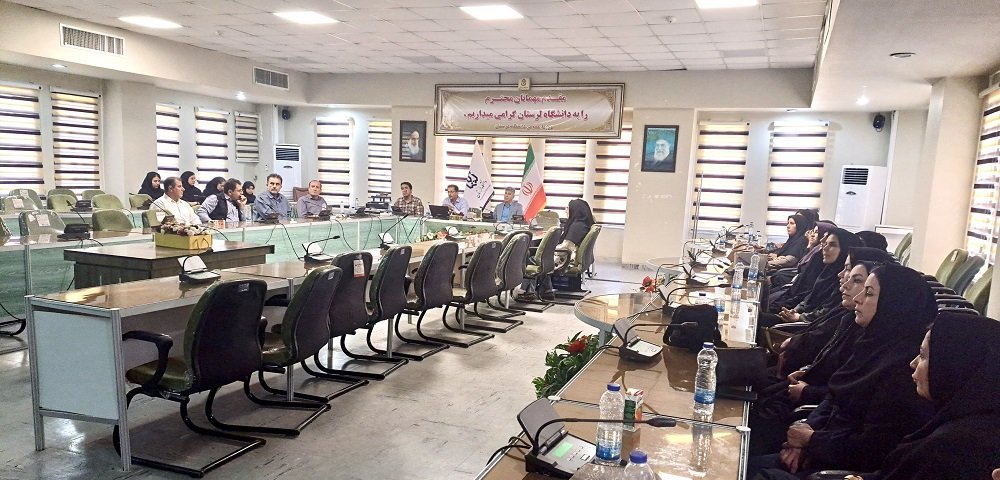
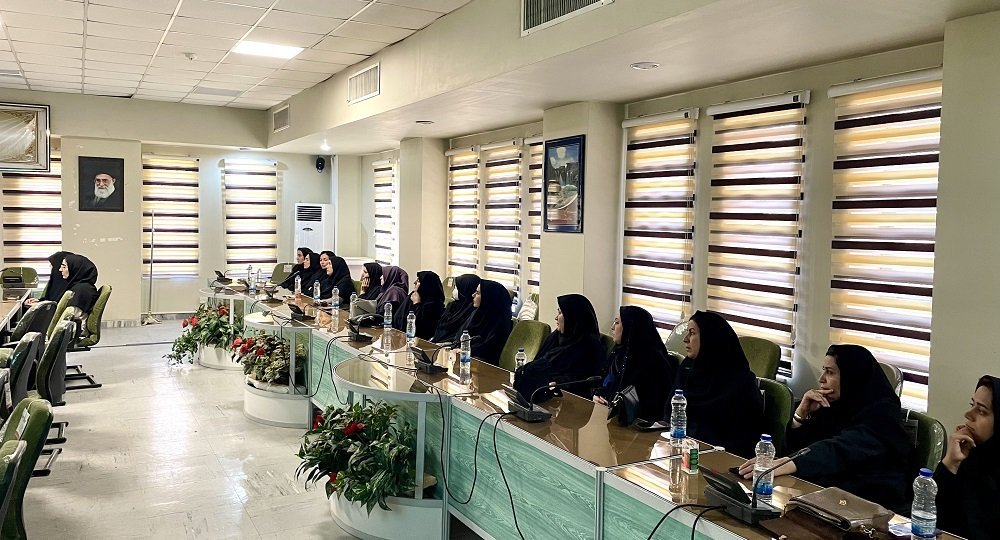
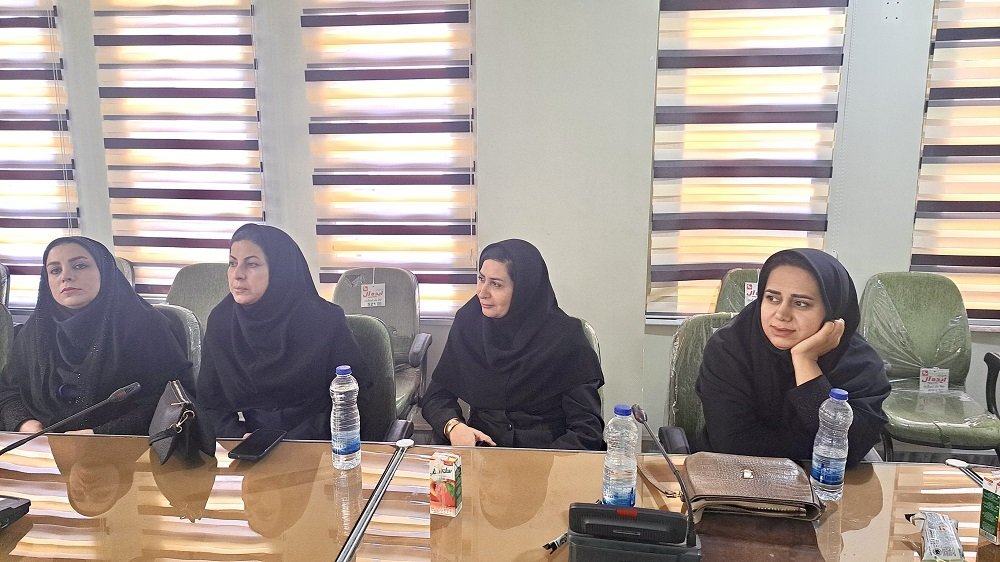
According to the Public Relations of Lorestan University, this workshop was held on October 5, 2025, at the request of the University's Student Affairs Department and in collaboration with the Lorestan University Zoological Museum, and a group of supervisors of the male and female student dormitories, counseling and health experts of the university, and a number of interested students participated in it.
A Step Towards Increasing Student Safety
At the beginning of the program, Dr. Mehdi Shahin, the Deputy of Student Affairs of Lorestan University, emphasized the importance of the educational approach in solving student issues and said: "This workshop is an introduction to future management actions. The Student Affairs Department has a comprehensive view of all areas and welcomes the connection of different sciences to improve the quality of life and well-being of students."
He emphasized the need for scientific and preventive education to reduce environmental and natural hazards in student campuses and dormitories.
A Beautiful and Safe Environment for Student Life
In the following, Dr. Nemat Shams, the Director of Student Affairs of Lorestan University, referring to the importance of improving student environments, said: "Planning to plant fragrant and beautiful vegetation in the environment of student dormitories can, in addition to ensuring environmental health, help strengthen the mental peace of students."
He added: "These measures are being planned to create a healthy, beautiful, and safe environment for students."
Scientific Education About Venomous and Stinging Animals
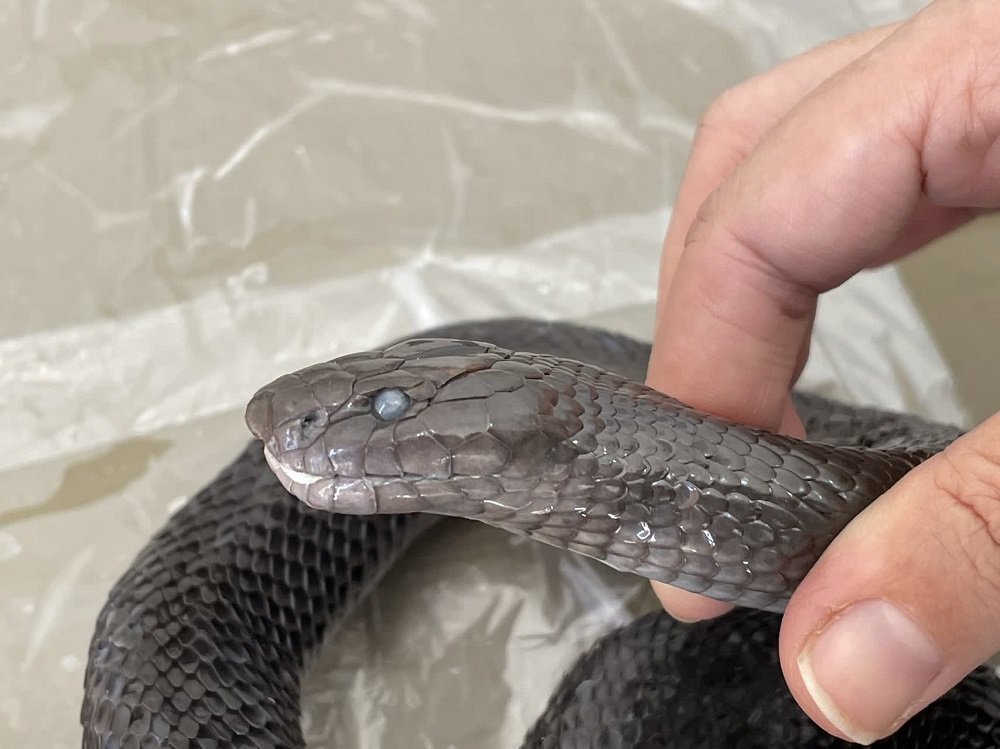
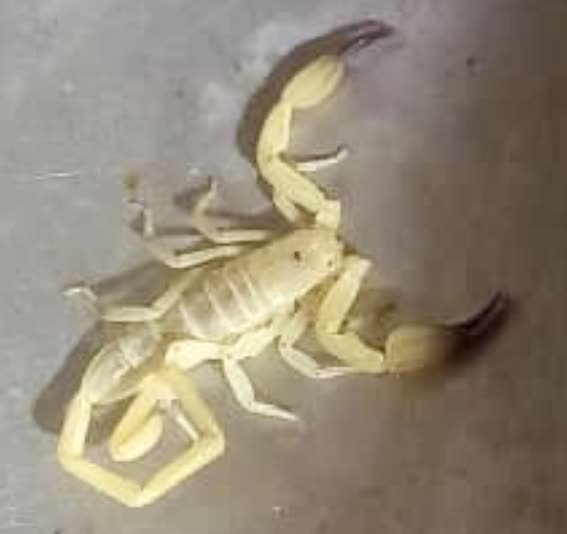
In the main part of the workshop, Dr. Gholamifard introduced snakes, scorpions, and other prominent venomous animals of Lorestan province and the Zagros region and discussed ways to identify venomous species from non-venomous ones, initial care after bites, and natural prevention methods for the entry of dangerous animals into the human environment.
He emphasized: "Most snakes are non-venomous and have a beneficial ecological role. Scientific knowledge can eliminate unfounded fears and create more humane and responsible behaviors towards wildlife."
From Installing Warning Signs to Keeping Antivenom in Medical Centers
Furthermore, Dr. Gholamifard, emphasizing the importance of the health of the members of the large family of Lorestan University, especially students, presented a set of practical and local solutions to reduce the risk of bites from venomous animals, including:
_ Planting local fragrant bushes around student dormitories.
_ Installing warning signs for traffic in natural and less-traveled environments.
_ Strengthening appropriate lighting in traffic routes.
_ Predicting antivenoms in medical centers associated with the university for emergency situations.
He also invited the experts of the Student Affairs Department to visit the Lorestan University Zoological Museum to become practically familiar with the prominent venomous species of the province.
Holding this workshop is part of the educational and preventive programs of the Student Affairs Department of Lorestan University, which is implemented in collaboration with various university units, in order to improve the physical, mental, and environmental health of students.
This action is in line with the synergy of specialized knowledge and university management to improve the quality of student life and protect the environment.