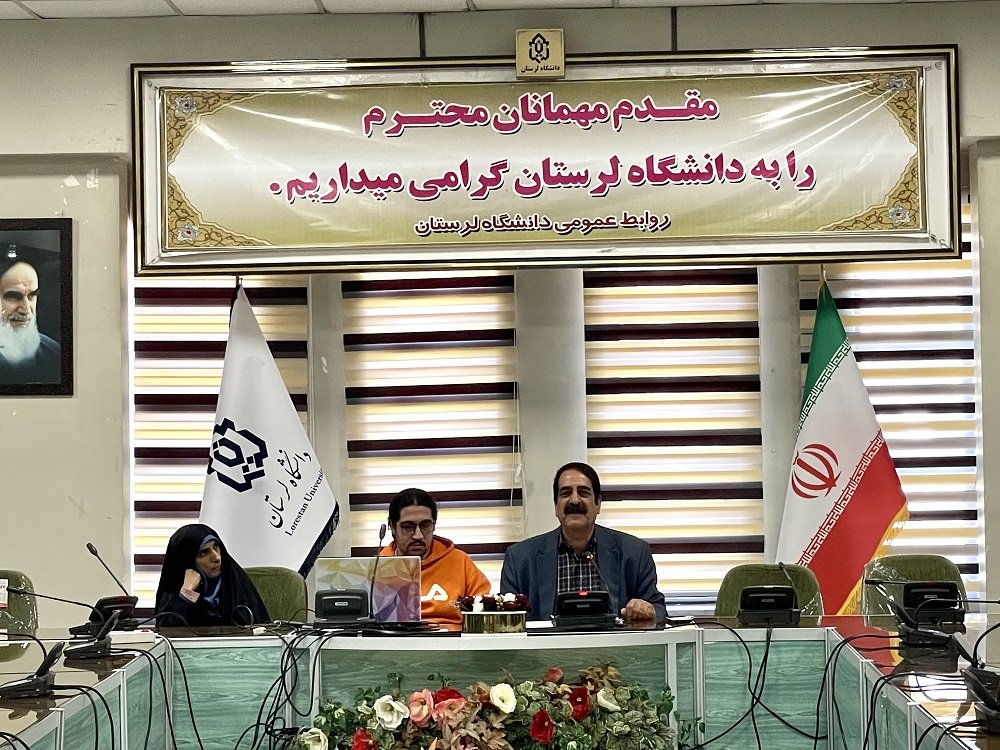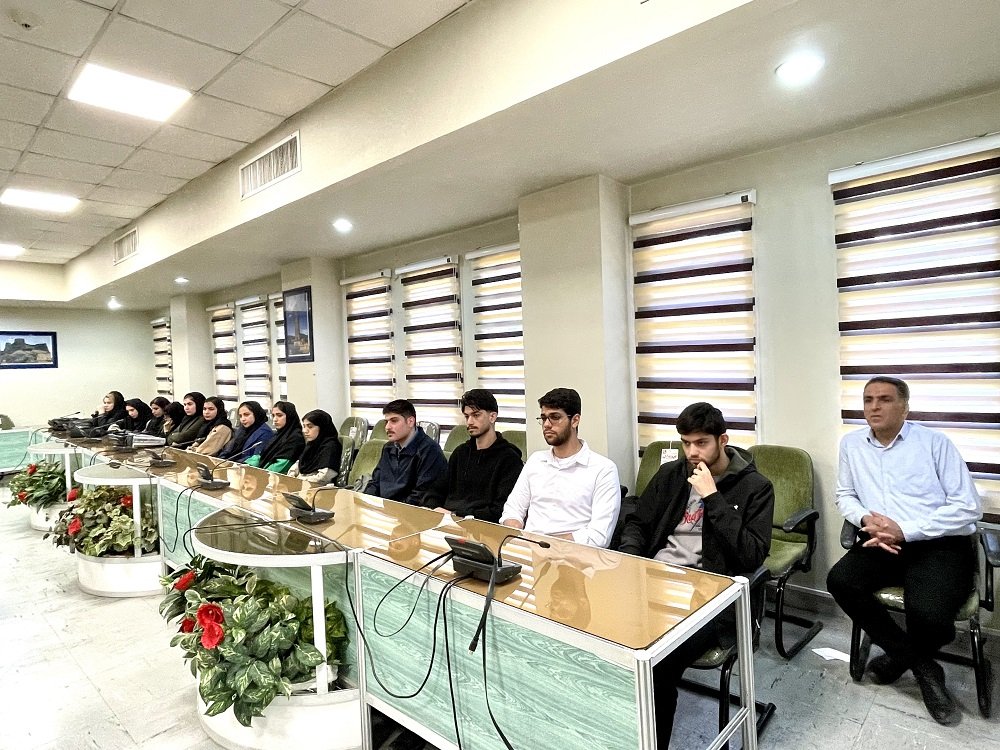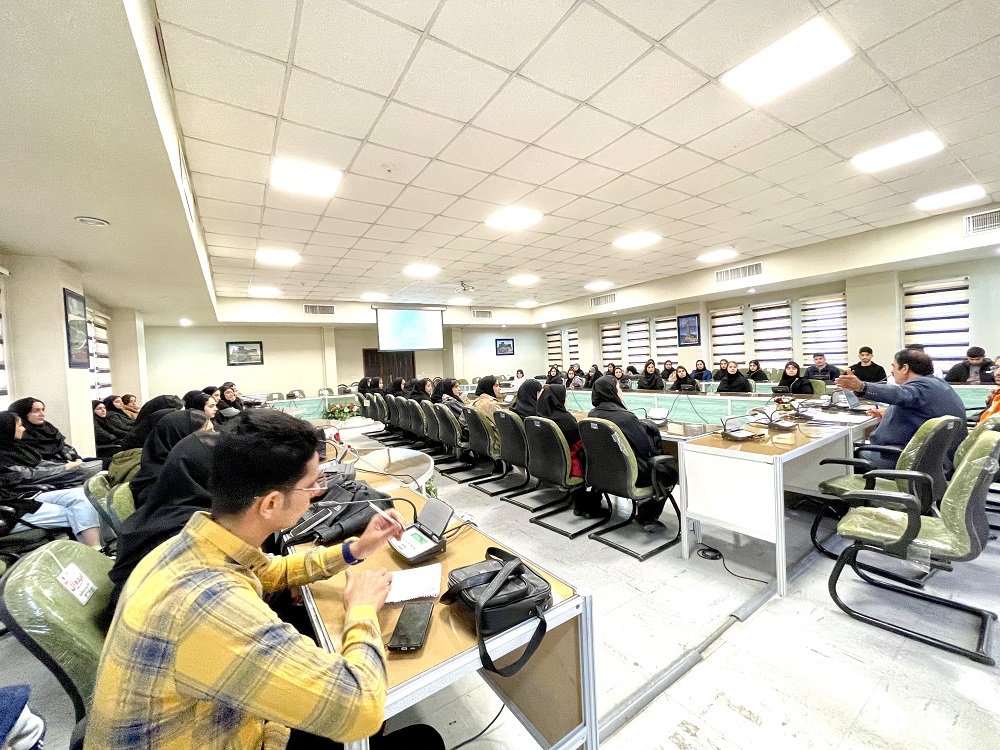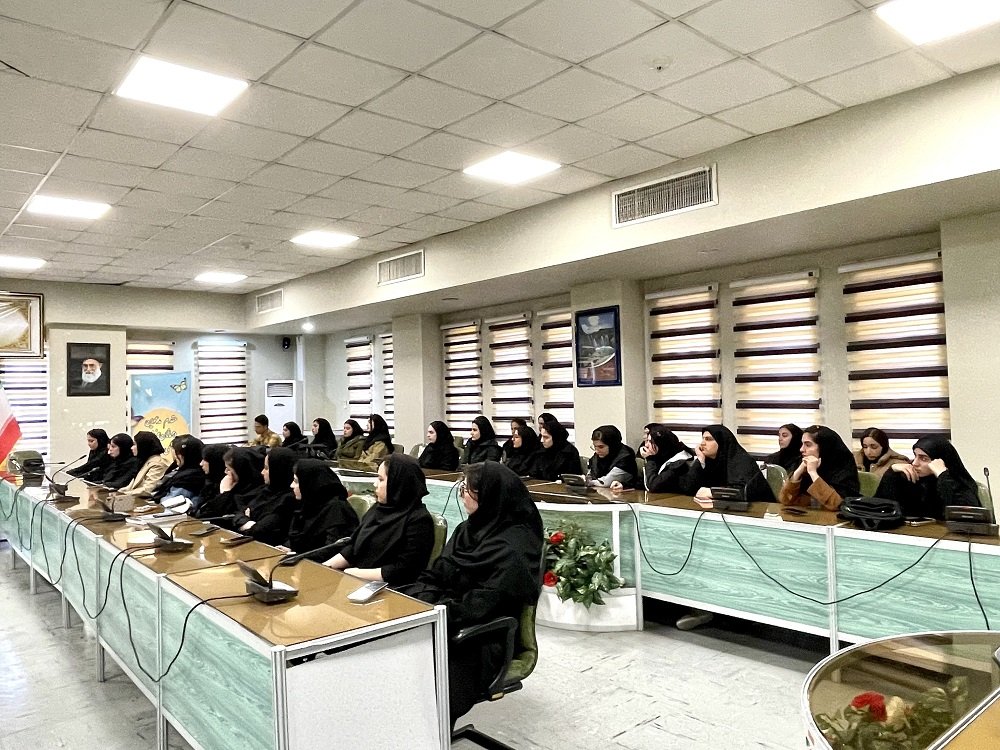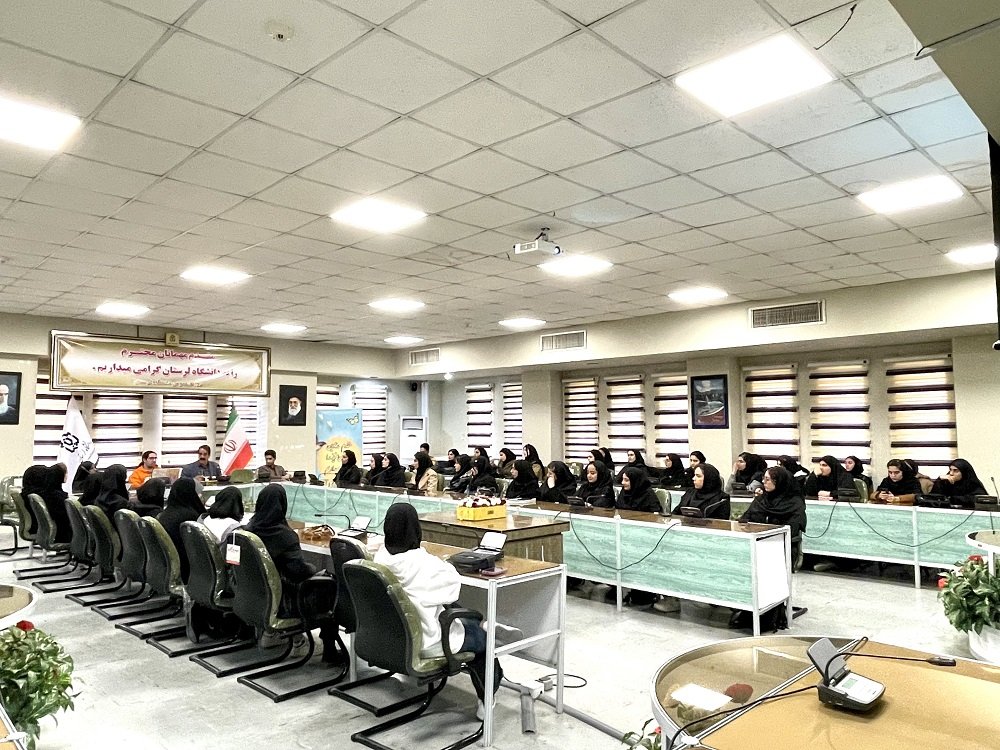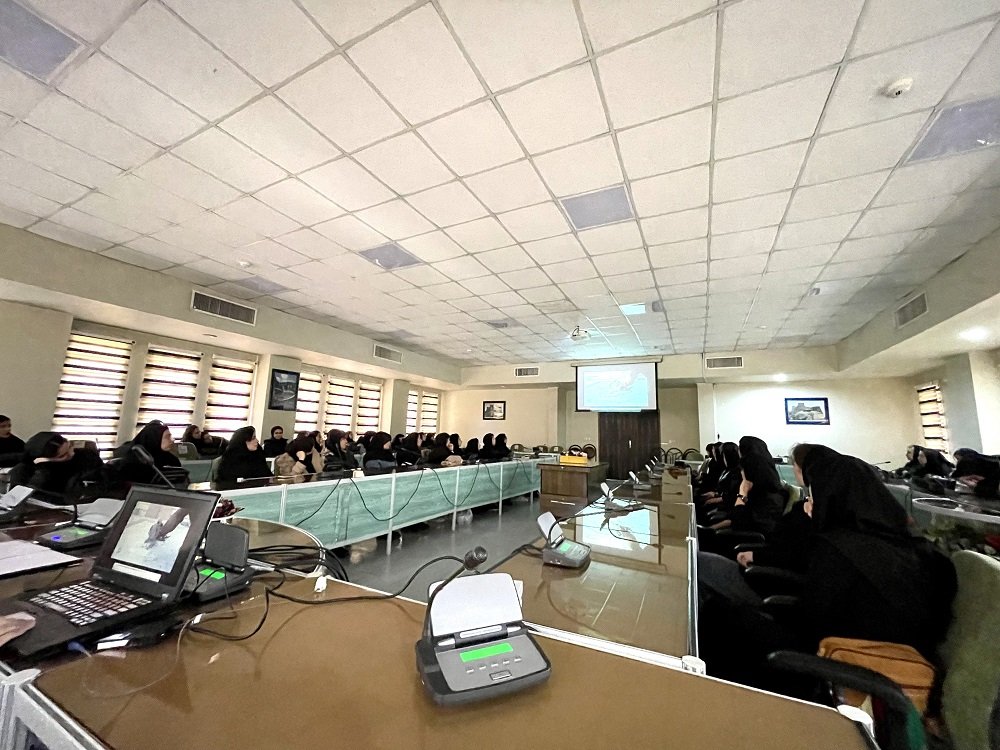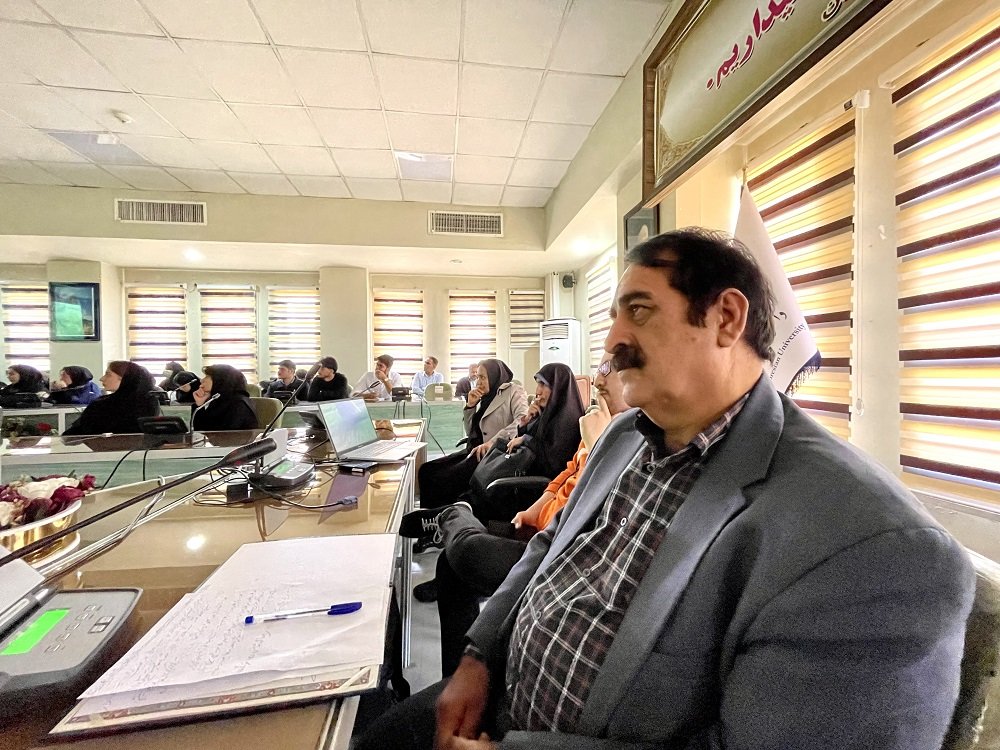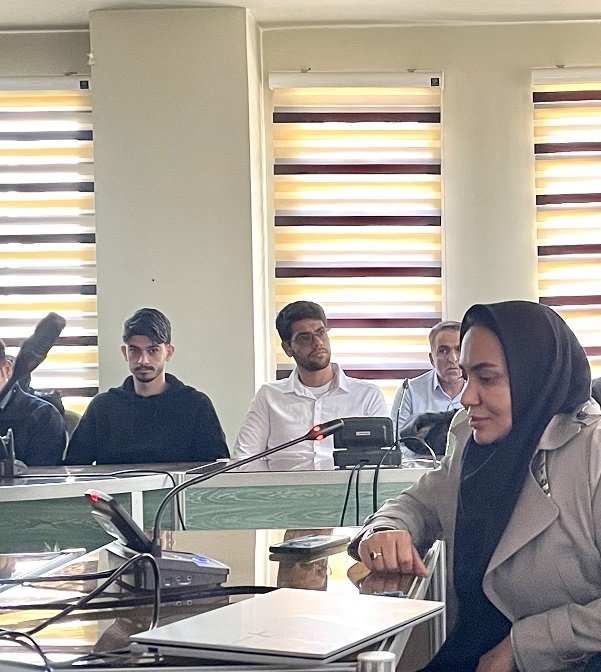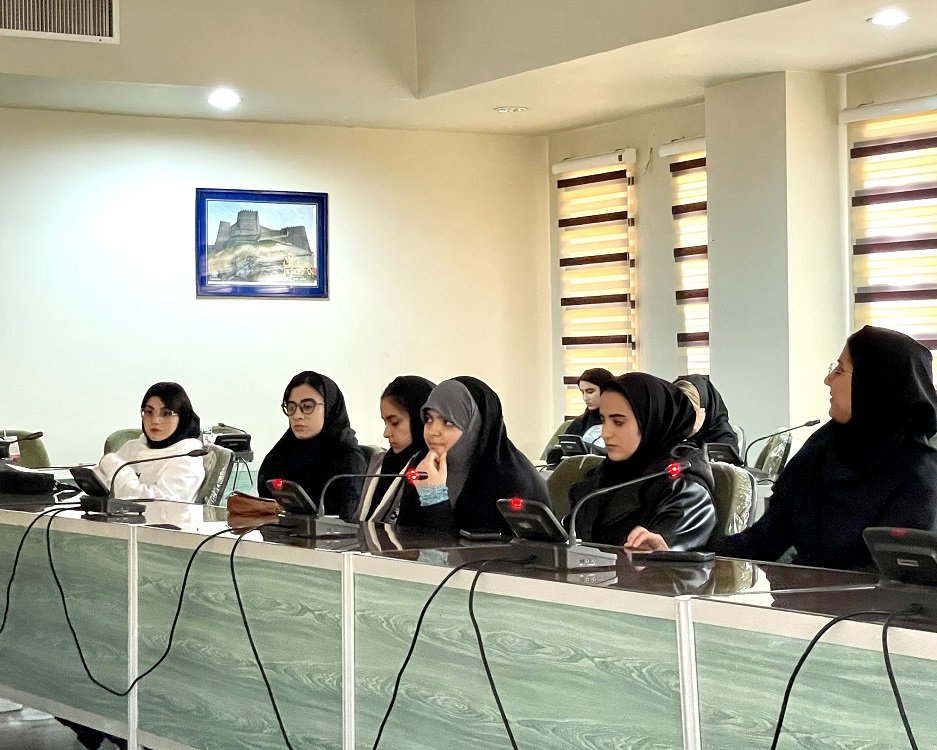

The Lorestan University Zoology Museum held a scientific meeting on wildlife.
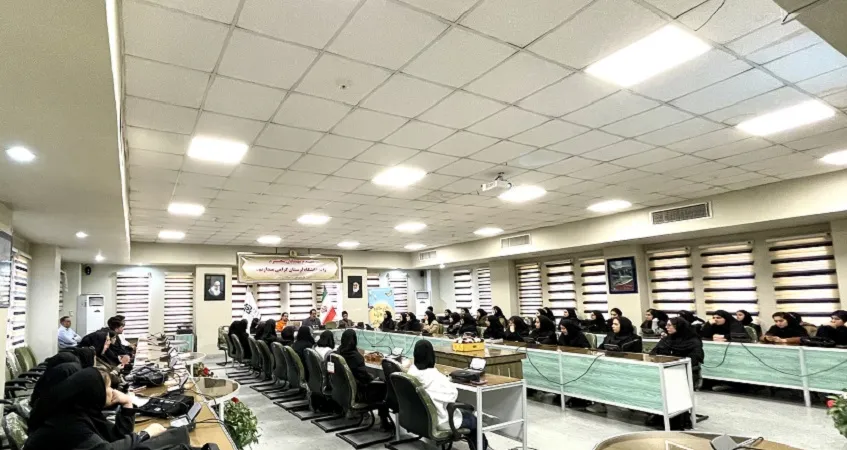 Mar 03, 2025
Lorestan University's Zoology Museum, on the occasion of World Wildlife Day (March 3rd), corresponding to Esfand 13th, 1403 (Iranian calendar), held a specialized scientific seminar accompanied by screenings of wildlife documentaries and natural habitats of Lorestan province.
According to the Public Relations of Lorestan University, this scientific program, held on the occasion of World Wildlife Day, a significant event in the international environmental calendar, was organized in line with the educational and research mission of the Zoology Museum of Lorestan University, which is a subset of the Vice-Chancellor for Research and Technology.
The program, attended by Ali Amiri, a national documentary filmmaker from Lorestan province, faculty members of the Biology Department of Lorestan University, including Dr. Golnaz Sayyadzadeh, Dr. Farzaneh Jafari, Dr. Ehsan Roumiani, and Dr. Ali Gholamifard, as well as interested students from the Biology Department and other fields, featured screenings of environmental documentaries from Lorestan province.
During the seminar, Dr. Ali Gholamifard, Director of the Zoology Museum of Lorestan University, congratulated the arrival of the blessed month of divine mercy and worship and expressed gratitude for the reception of the seminar. He emphasized the importance of commemorating environmental occasions as part of the spiritual values of biodiversity, which is a valuable divine gift, and the inherent educational mission of museums.
Dr. Gholamifard stated that when discussing the rich province of Lorestan in scientific forums, with a biodiversity of approximately 25% of the total biodiversity of Iran, one cannot and should not remain solely in the realm of scientific discourse. Experts in this field should, at a minimum, convey the scientific discourse to the scientific community and the general public through various methods.
He said, "Apart from the intrinsic value of biodiversity as a national asset of every country, and here, of great Iran, this biodiversity becomes more believable and better understood when its material and spiritual effects are made tangible to the people through sustainable exploitation and simultaneous conservation."
Dr. Gholamifard explained, "The implementation of such symbolic programs promotes scientific discourse in order to enhance students' skills training."
Subsequently, Ali Amiri, a national documentary filmmaker from Lorestan, provided technical explanations of the opportunities and challenges of making these documentaries and scientific and experiential perspectives on the first part of the documentary titled "My Destiny and the Eagle Chick."
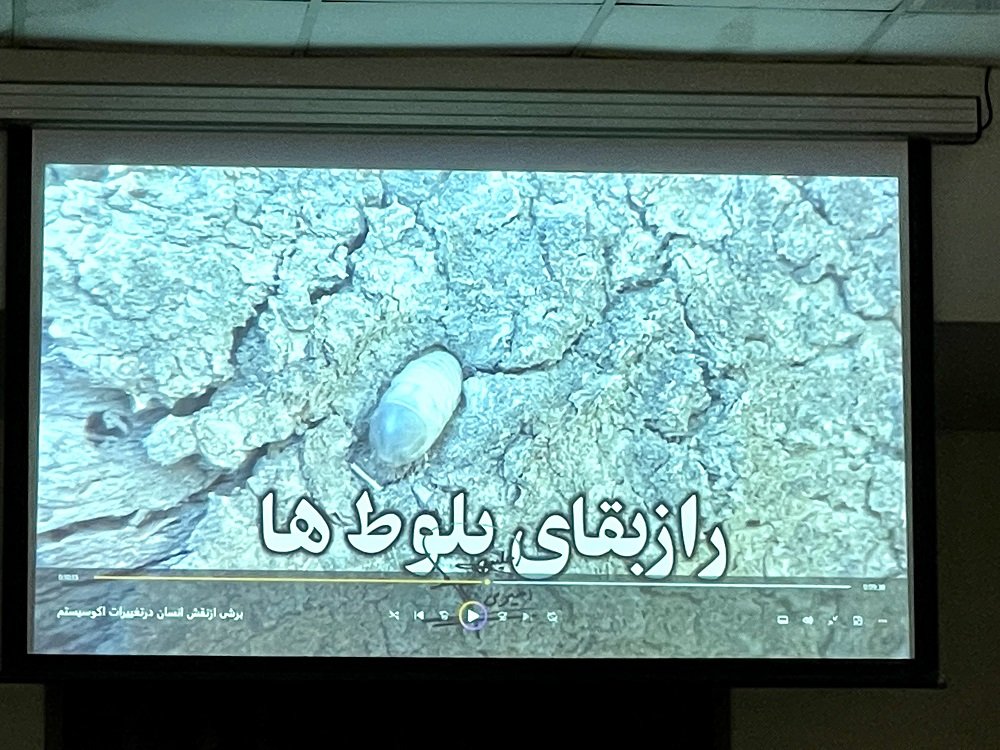
In the second part of the documentary, "A Short Clip from the Documentary on the Role of Humans in Ecosystem Changes and a Clip from the Secret of Oak Survival" was shown. The documentary filmmaker addressed the direct and indirect effects of human intervention in the environment, especially the decline of oak forests in the province and some of its causes, such as the destruction or disruption of the environmental cycle, like the removal or reduction of populations of predators of oak tree pests, such as bee-eaters and woodpeckers, as well as the lack of recognition of the role of small predators, drought, water and soil pollution, etc.
Furthermore, the faculty members present at the seminar and some students discussed and exchanged ideas about the seminar's topic and the documentaries. They expressed their concerns about the unregulated harvesting of native bulbous plants of the province, the importance of making provincial documentaries and their positive impact on the better transmission of taught scientific content, the importance of returning to nature-friendly and purposeful agriculture, and planting native trees instead of non-native ones, as well as other necessary actions to prevent soil erosion and the decline of oak forests in Lorestan province.
In conclusion, the attendees expressed their satisfaction with the holding of such programs and thanked the organizers and guests of the program. They proposed the holding of more specialized and scientific programs, based on field experiences, for a better understanding of the valuable habitats and unique wildlife of Lorestan province.